
How To Create A Pet-Friendly Home Routine The Whole Family Can Take Part In
Pets quickly become part of the family, but caring for them can sometimes feel like another item on an already crowded household schedule. Between work, school, meals, chores, and family time, pet-related responsibilities can easily fall to one person. A simple routine can make pet care more manageable while giving everyone a chance to participate.
A good pet-friendly routine does not need to be complicated or rigid. Instead, it should fit naturally into everyday family life while meeting your pet’s needs for food, exercise, attention, rest, and mental stimulation. With a little planning, even young children can contribute in safe, age-appropriate ways.
Start With A Consistent Feeding Schedule
Regular mealtimes can provide structure for both pets and people. Feeding dogs and cats at approximately the same times each day makes it easier to monitor their appetite and helps families avoid accidentally feeding a pet twice. Assigning meal responsibilities can also give older children a straightforward household task.
Parents should supervise younger children when they help with pet food, particularly when portion sizes need to be measured carefully. A simple chart on the refrigerator can show who is responsible for breakfast and dinner each day. Once a pet has been fed, the family member responsible can mark the task as complete.
Make Treats Part Of The Routine
Treats can help with training, reward good behavior, or create positive interactions between family members and pets. Families may want to keep a designated supply in one location so everyone knows what can be offered and how often. This also reduces the chance of a persuasive pet collecting extra snacks from several people throughout the day.
For example, pet owners looking for a simple single-ingredient option can find freeze-dried silverside minnows from Fresh Is Best online. Whatever treats your household chooses, set clear rules about portions and when to give them, especially when children participate.
Turn Daily Walks Into Family Time
Walking the dog can easily become something one adult does out of necessity, but it can also be a valuable family activity. Depending on your children’s ages and your dog’s size and temperament, everyone can participate by walking together, helping prepare the leash, or carrying waste bags. Regular walks provide exercise for people and pets while giving you time together away from screens.
You can make walks more interesting by changing routes or visiting different parts of your neighborhood. Children might enjoy looking for birds, identifying plants, or counting certain objects along the way. These small activities can transform a routine responsibility into quality family time.
Give Children Age-Appropriate Responsibilities
Children often enjoy helping with animals, but responsibilities should match their maturity and abilities. Younger kids can help fill water bowls, collect pet toys, or brush a calm pet under supervision. Older children may be able to handle feeding, cleaning bowls, walking suitable dogs, or helping maintain litter boxes and other pet areas.
Avoid making one child responsible for every aspect of an animal’s care. Adults ultimately need to make sure the pet’s essential needs are met, even when children have assigned tasks. Shared responsibilities work best when they teach participation without putting too much pressure on one family member.
Build Playtime Into Everyday Life
Pets need more than food and basic care to thrive in a busy household. Play offers physical exercise, mental stimulation, and valuable interaction with family members. Fortunately, it does not always require a long session or elaborate equipment.
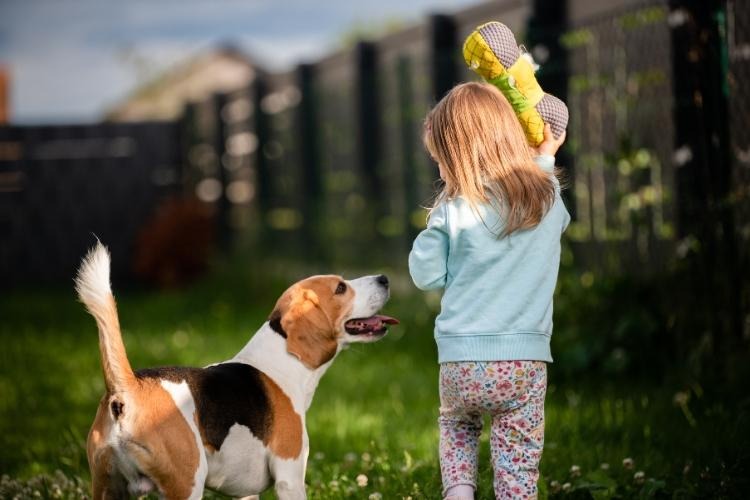
A few short play sessions throughout the day can fit naturally around other activities. Someone might play fetch in the backyard after school, use an interactive cat toy before dinner, or spend a few minutes practicing simple commands. Rotating toys can also keep familiar activities feeling fresh without constantly buying new items.
Create A Calm Space For Your Pet
Family homes can be busy, especially when children, visitors, music, television, and everyday activities create constant stimulation. Pets should have access to a quiet place where they can rest without being disturbed. Depending on the animal, this might be a bed in a quiet corner, a crate, a cat tree, or a separate room.
Teach children that this space belongs to the pet and should be respected. If the animal retreats there, family members should generally allow it to rest rather than following it for more play or attention. Giving pets control over when they interact can help create a calmer home environment.
Keep Pet Supplies Organized
Organization can make shared pet care much easier. When leashes, brushes, toys, food, treats, and cleaning supplies have designated locations, family members can complete their responsibilities without constantly asking where things are. Storage also helps keep potentially unsafe products out of reach of children and curious animals.
Consider creating a small pet-care station in a pantry, mudroom, laundry area, or entryway. Keep frequently used items easily accessible to adults, while storing medications and products that require supervision securely. A well-organized setup saves time and makes routines easier to maintain.
Include Pet Care In Household Chores
Pet responsibilities are easier to remember when they become part of the family’s existing chore schedule. Instead of treating them as separate tasks, connect them to activities that already happen every day. For example, a child who clears breakfast dishes might also check the water bowl afterward.
Weekly chores can include washing pet bedding, cleaning food bowls, vacuuming favorite sleeping areas, or checking toys for damage. Dividing these jobs among family members prevents pet care from becoming one person’s responsibility. It also teaches children that caring for an animal includes cleaning and maintenance, not only cuddles and play.
Pay Attention To Your Pet’s Behavior
Routines provide consistency, but families should still pay attention to what their pet communicates through behavior. Changes in appetite, energy, bathroom habits, sleep, or social behavior may indicate that something needs attention. When several family members interact with the pet regularly, they may notice changes that one person could miss.
Encourage children to tell an adult if they notice anything unusual rather than trying to solve the problem themselves. Families can also use routine feeding, grooming, and play sessions as opportunities to observe their pet. Familiarity with normal behavior makes unexpected changes easier to recognize.
Keep The Routine Flexible
Consistency is useful, but family life rarely follows the same schedule every day. School events, vacations, work commitments, illnesses, and weekends can all disrupt routines. A practical pet-care plan should be flexible enough to accommodate these changes without leaving important needs unmet.
Families can create backup plans for particularly busy days. Perhaps another adult handles the evening walk when a child has practice, or feeding responsibilities change when someone is away. The goal isn’t perfection, but dependable care that adapts to real life.
Make Pet Care A Shared Family Experience
A pet-friendly home routine can do more than keep food bowls filled and walks on schedule. It can encourage children to develop responsibility, patience, empathy, and awareness of another living being’s needs. Shared activities also create everyday opportunities for families to spend meaningful time together.
The most effective routine is one your household can realistically maintain. Keep responsibilities simple, divide them fairly, and adjust them as children grow or your pet’s needs change. When everyone contributes, caring for a pet becomes less of a chore and more of a natural part of family life.