
The Best Egg-Free Vanilla Ice Cream (1913 Heritage Recipe)
I found this vanilla ice cream recipe in a 1913 heritage cookbook and was surprised by how simple the method was. Most old-fashioned recipes require a long process of making an egg custard on the stove, but this one is completely egg-free. It uses a scalding technique that was standard in Philadelphia over a century ago. It creates an ice cream that is much denser and smoother than the airy, store-bought versions we’re used to today.
Jump to RecipeThe 1913 Secret: Why Scalding the Cream Matters
If you’ve ever made egg-free ice cream that turned out icy or thin, it’s likely because the cream wasn’t stabilized. In Mrs. Rorer’s original 1913 instructions, she insists on scalding half of the heavy cream before churning.
This isn’t just an old-fashioned whim. Scalding the cream to about 180°F changes the protein structure, allowing it to trap tiny air bubbles more effectively during the churn. The result is a Philadelphia Style scoop that is naturally thick and velvety, without needing a single egg yolk or any store-bought thickeners.
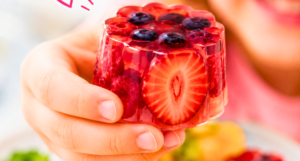
If you want the ultimate summer dessert, try serving a generous scoop of this cold vanilla alongside my Pressed Blueberry Pudding. The tartness of the berries cuts through the richness of the scalded cream perfectly.

1913 Heritage Vanilla Ice Cream (Egg-Free)
Ingredients
Equipment
Method
- Combine 2 cups of heavy cream and the sugar in a saucepan. If using a vanilla bean, split it and scrape the seeds into the cream now.
- Place the saucepan over medium heat and stir constantly until the sugar is completely dissolved and the cream is scalding hot (look for tiny bubbles around the edges, but do not let it boil).
- Remove from heat. If you used a vanilla bean, let it steep in the hot cream for 10 minutes to extract the flavor.
- Stir in the remaining 2 cups of cold heavy cream. If you are using vanilla extract instead of a bean, stir it in now.
- Cover and refrigerate the mixture until it is completely chilled (at least 4 hours, or overnight for the best results).
- Pour the cold mixture into your ice cream maker and churn according to the manufacturer’s directions. Stop the machine when the ice cream reaches a thick, soft-serve consistency.
- Transfer the ice cream to a freezer-safe container, smooth the top, and freeze for at least 4 hours to “ripen” and reach its final, velvety texture.
Notes
Tips for the Perfect Churn in a Modern Machine
While this recipe comes from an era of hand-cranked freezers, it works beautifully in modern electric machines if you follow a few simple rules:
- The 4-Hour Chill: This is the most important step. In 1913, Mrs. Rorer warned that churning a warm mixture makes the ice cream ‘greasy’ or ‘buttery.’ Your liquid base must be bone-cold before it touches the frozen bowl.
- Don’t Over-Churn: Modern machines are powerful. Stop the motor as soon as the ice cream looks like thick soft-serve. If you let it go too long, the high-fat content in the Philadelphia style cream can actually turn into tiny bits of butter.
- The Ripening Phase: In the original 1913 text, the ice cream was ‘repacked’ to sit for hours. For us, this just means transferring it to an airtight container and letting it firm up in the back of the freezer for at least 4 hours to reach that dense, professional scoop consistency. It’s the perfect topping for a warm slice of pie or served alongside a batch of cookies.
Vanilla Bean vs. Extract: Which is More Authentic?
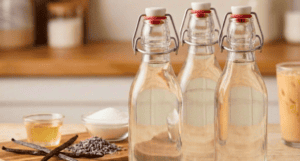
In the original 1913 recipe, Mrs. Rorer calls for a whole vanilla bean—split, scraped, and steeped in the hot cream.
- The Case for the Bean: If you want those beautiful black specks and a woody, floral depth, go with the bean. Be sure to add the seeds to the cream before the scalding step to fully infuse the flavor.
- The Case for Extract: Pure vanilla extract is a perfectly fine modern substitute. Just make sure it is ‘Pure’ rather than imitation; the high-fat content in this Philadelphia-style cream will amplify any chemical aftertastes in the cheap stuff.
This 1913 recipe is a reminder that ‘old-fashioned’ doesn’t have to mean ‘difficult.’ By using Mrs. Rorer’s scalding method, you get a level of richness that eggs usually provide, but with a much cleaner vanilla finish. Whether you serve it in a vintage bowl or straight out of the container, it’s the kind of simple, honest dessert that never goes out of style.