How to Make Your Home Work Better for a Growing Family
[Image by UK Radiators]
Remember when you had an entire spare bedroom and could walk through the living room without stepping on a toy? As your family grows, the house that once felt perfectly spacious can suddenly seem rather small.
Between overflowing wardrobes, busy morning routines, and children who need more space as they get older, keeping your home organised can feel like a never-ending task. But you don’t necessarily need a bigger house to make family life easier.
A few practical changes can help you get more from the space you already have. From clever storage ideas and adaptable furniture to better heating arrangements, here’s how to create a home that keeps up with your growing family.
Make Your Bathroom More Family-Friendly
The bathroom often becomes one of the busiest rooms in a family home. Between morning showers, bath time, and everyone’s toiletries, even a reasonably sized bathroom can start to feel cramped.
Start by clearing your countertops. Give each family member a designated basket or drawer for their toiletries, and use wall-mounted cabinets to free up floor space. If you have younger children, install towel hooks at a height they can reach. This small change encourages them to hang up their own towels rather than leaving them on the floor.
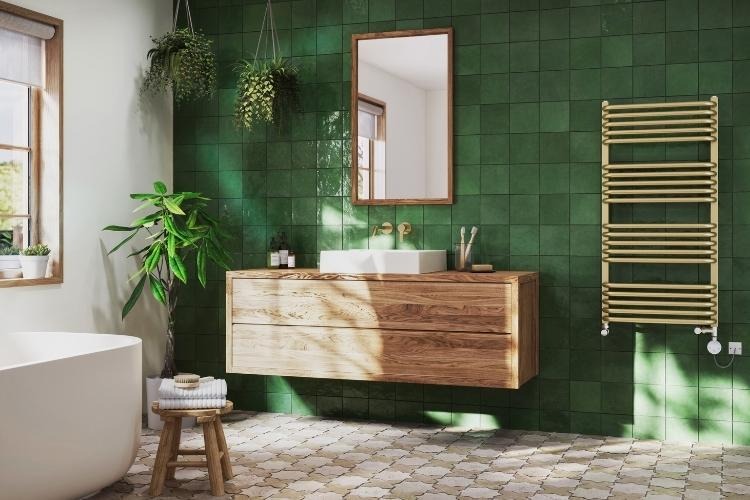
Speaking of towels, finding somewhere to dry everyone’s towels can become a challenge, particularly during winter. Installing a towel rail radiator gives you somewhere to hang damp towels while helping to heat the bathroom.
An electric model can also heat the bathroom independently of your central heating system. This gives you more control over when you warm the room, although you should compare running costs and choose a model suitable for bathroom installation.
Finally, think about how your family uses the bathroom. Keep everyday toiletries within easy reach, store cleaning products securely away from children, and introduce a simple morning schedule if everyone needs the bathroom at once.
Choose Furniture That Adapts as Your Children Grow
Children grow quickly, and their bedrooms need to keep up. The nursery you carefully decorated might soon need a toddler bed, followed by a desk for homework and extra storage for clothes.
Instead of buying furniture that suits only one stage of childhood, look for pieces that can serve several purposes.
An adjustable desk, for example, can accommodate your child throughout their school years. A sturdy chest of drawers can move from the nursery into an older child’s bedroom, while modular shelving lets you rearrange storage as their interests change.
Apply the same thinking to shared family spaces. An extendable dining table gives you extra room when relatives visit without taking up unnecessary space every day.
Storage furniture also works particularly well in smaller homes. Choose beds with built-in drawers, benches with hidden compartments, and coffee tables that provide somewhere to store books or games.
Before buying new furniture, consider how easily you could rearrange the room in a few years. Leaving some flexibility in your layout can save you money and make future changes much simpler.
Get Creative With Storage
Toys, school supplies, sports equipment and outgrown clothes have a habit of accumulating faster than you can organise them. If you’re constantly running out of cupboard space, look beyond your existing wardrobes and cabinets.
Under-bed storage boxes work well for spare bedding and seasonal clothing. Floating shelves can hold books and decorative items without taking up floor space. If you have a staircase, consider using the space underneath for shoes, coats, or household supplies.
Children’s bedrooms benefit from simple storage systems. Place toy boxes and baskets on low shelves so younger children can reach their belongings and put them away independently.
You can also introduce a toy rotation system. Keep a selection of toys available and store the rest in a cupboard, swapping them occasionally. This helps reduce clutter without asking your children to give up their favourite things.
In shared spaces, assign everyone a place for their belongings. Individual hallway baskets, for instance, can stop school bags, hats and gloves from spreading throughout the house. Set aside time every few months to sort through your family’s possessions. Donate clothes that no longer fit and pass on toys your children have outgrown.
Rethink How You Heat Different Rooms
As your family grows, you’ll probably start using rooms differently. Your spare bedroom might become a nursery, while an older child may need a quiet place to study. These changes can affect when and where you need heating.
Start by considering how your family uses each room throughout the day. Your living room might need warmth throughout the evening, while a guest bedroom may sit empty for weeks.
If you have central heating, thermostatic radiator valves can help you control temperatures in individual rooms. You can also consider electric heating options for spaces that you use occasionally.
For example, a wall-mounted electric radiator with a programmable thermostat can provide heat in a home office when someone needs to work there. However, compare electricity costs with your existing heating system before investing.
Don’t forget about insulation. Draught-proof windows and doors, close curtains after sunset, and address gaps around skirting boards to reduce unwanted heat loss. In children’s bedrooms, prioritise safe, comfortable temperatures. Keep portable heaters away from bedding and curtains, and never leave them running unattended.
Organise Your Home Around Your Daily Routine
Sometimes, the biggest problem isn’t a lack of space. It’s a layout that makes everyday family life unnecessarily difficult. Think about your busiest moments. Does everyone struggle to find their shoes before school? Do your children spread their homework across the dining table just as you’re preparing dinner?
Start with the hallway. Install coat hooks at different heights, provide a designated space for school bags, and introduce a shoe rack. Encourage everyone to put their belongings away as soon as they arrive home.
Next, look at your kitchen and dining area. If your children regularly complete homework while you prepare dinner, create a small study corner nearby. A compact desk or folding table can give them their own workspace without taking over the dining table.
Consider your family’s need for privacy, too. As children grow older, they may want somewhere quiet to read, study, or spend time alone. Even a small bedroom corner with a comfortable chair and suitable lighting can give them some personal space.
Remember to make room for yourself, too. Keeping one area free from toys and household clutter can give you somewhere to relax after a busy day.
Final Thoughts
Your home doesn’t need to be enormous to accommodate a growing family. It simply needs to work for the people living in it.
Start with the everyday problems that frustrate you most. Perhaps your bathroom needs better storage, your children’s bedrooms need more adaptable furniture, or you want greater control over heating in rooms you rarely use.
You don’t have to tackle everything at once. Make one practical change, see how it works for your family, and move on to the next. As your children grow and your routines change, continue adjusting your home to suit your needs. A little forward planning now can save you from unnecessary expense and frustration later.