The Silent Signs You’re Not Eating Enough Protein
Have you ever eaten a full meal, only to find yourself digging through the pantry an hour later looking for a snack?
Or maybe you’ve been trying to eat healthier but still feel tired, hungry, or like your body just isn’t cooperating.
While there are lots of reasons you might feel that way, one surprisingly common culprit is not eating enough protein.
Protein has become the star of social media lately, but it’s more than just a trendy buzzword. Your body relies on it every single day to build muscles, repair tissues, support your immune system, create hormones, and help keep you feeling satisfied after meals.
The good news? The signs aren’t always dramatic—and they’re often easy to fix.
Let’s look at some of the quiet clues your body may be trying to send you.
1. You’re Always Hungry
One of the biggest hints that you may need more protein is constant hunger.
If breakfast leaves you searching for a snack before lunch, or dinner never seems to “stick,” your meals may be missing enough protein.
Protein digests more slowly than simple carbohydrates, helping you stay fuller for longer. Meals centered around toast, cereal, pastries, or even fruit alone can leave your stomach empty much sooner.
Try adding:
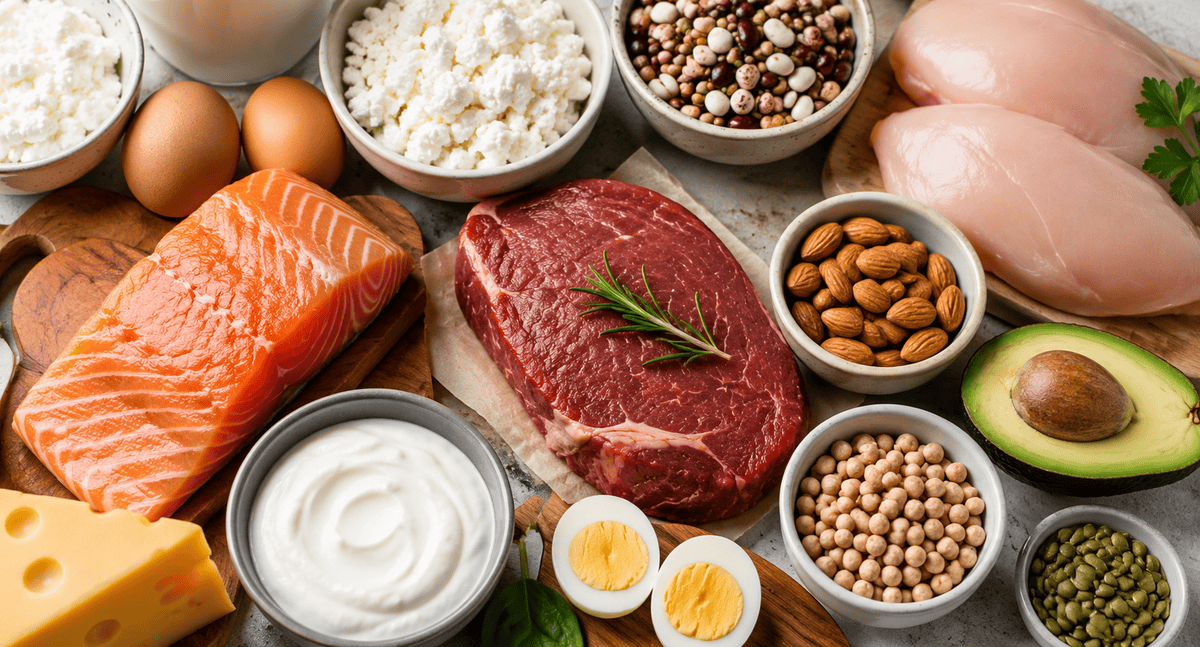
- Eggs
- Greek yogurt
- Cottage cheese
- Chicken
- Tuna
- Beans
- Tofu
Even adding 15–20 grams of protein to breakfast can make a noticeable difference.
2. You’re Craving Sugar All Day
Ever notice that afternoon cookie suddenly feels impossible to resist?
When meals are low in protein, blood sugar can rise quickly—and then crash just as fast. Those crashes often show up as cravings for sweets or quick carbohydrates.
That doesn’t mean sugar is “bad.” It simply means your meals may not be balanced enough to keep your energy steady.
3. Your Hair Seems Thinner Than It Used To
Hair is made mostly of protein.
When your body isn’t getting enough, it prioritizes essential organs over hair growth.
Hair thinning has many possible causes—including stress, hormones, age, iron deficiency, thyroid issues, and certain medical conditions—but consistently low protein intake can also contribute.
If you’ve noticed increased shedding along with several of the other signs on this list, it’s worth taking a closer look at your diet.
4. Your Nails Keep Breaking
Weak, peeling, or brittle nails can sometimes be another clue.
Protein helps build keratin, the structural material your nails are made from.
Again, there are plenty of possible causes, but nutrition is one piece of the puzzle that’s often overlooked.
5. You Feel Tired…Even After Sleeping
If you’re getting enough sleep but still feel sluggish most days, your meals might not be giving your body what it needs.
Protein helps support muscles, hormones, enzymes, and countless functions throughout the body.
While fatigue has many possible causes, consistently eating too little protein may leave you feeling like you’re running on empty.
6. Your Muscles Feel Weaker
You don’t have to be a bodybuilder for this one.
Difficulty carrying groceries, climbing stairs, opening jars, or recovering from workouts can sometimes point toward inadequate protein intake—especially as we get older.
Adults naturally lose muscle mass with age, making adequate protein even more important.
7. Little Cuts Seem To Take Forever To Heal
Protein plays a major role in repairing damaged tissue.
If scrapes, bruises, or small cuts seem to linger longer than usual, your body may not have all the building blocks it needs for efficient healing.
8. You Get Sick More Often
Protein helps produce antibodies that support your immune system.
If you’re frequently catching every cold that comes around, nutrition is one factor worth considering.
Of course, illness can have many causes, but consistently eating enough protein is one important part of supporting overall health.
9. You Feel “Snacky” At Night
You’ve eaten dinner.
You’re not exactly hungry…
…yet somehow you’re standing in front of the pantry looking for crackers, cereal, popcorn, or cookies.
A protein-rich dinner often helps people feel satisfied longer into the evening.
Adding grilled chicken, salmon, beans, turkey, lean beef, tofu, or Greek yogurt can help create meals that actually keep you full.
10. You’re Losing Muscle Instead of Fat
If you’re trying to lose weight by eating less, but you’re not eating enough protein, your body may lose muscle along with body fat.
Maintaining muscle becomes increasingly important after age 40 because muscle helps support strength, balance, mobility, and metabolism.
Protein is one of the key nutrients that helps preserve lean muscle while losing weight.
How Much Protein Do You Actually Need?
There’s no one-size-fits-all answer.
Needs vary depending on your age, body size, activity level, pregnancy status, and overall health.
Many healthy adults need at least the recommended dietary allowance (RDA) of 0.8 grams of protein per kilogram of body weight, while people who are older, highly active, or trying to build or maintain muscle may benefit from higher amounts. If you have kidney disease or certain medical conditions, your needs may be different, so it’s best to talk with your healthcare provider.
Instead of stressing over exact numbers, focus on including a quality protein source with each meal.
Easy Ways To Eat More Protein
Getting more protein doesn’t have to mean drinking protein shakes all day.
Try these simple ideas:
- Add Greek yogurt to breakfast.
- Toss grilled chicken into salads.
- Snack on cottage cheese and fruit.
- Keep hard-boiled eggs in the refrigerator.
- Sprinkle nuts or seeds onto oatmeal.
- Add beans to soups and tacos.
- Choose tuna or salmon for lunch.
- Blend protein-rich milk into smoothies.
- Enjoy edamame as an afternoon snack.
Small changes throughout the day can add up surprisingly quickly.
The Bottom Line
Your body is incredibly good at sending subtle signals when something is missing.
Constant hunger, low energy, brittle nails, muscle weakness, and endless snack cravings don’t automatically mean you’re low on protein—but they may be worth paying attention to, especially if several of these signs sound familiar.
Rather than chasing the latest diet trend, aim for balanced meals that include protein, healthy fats, fiber-rich fruits and vegetables, and whole grains. Your body—and your energy levels—will thank you.
Disclaimer: This article is for informational purposes only and is not medical advice. If you’re experiencing persistent fatigue, unexplained weight changes, hair loss, or other concerning symptoms, consult your healthcare provider to determine the underlying cause and the best treatment for you.